
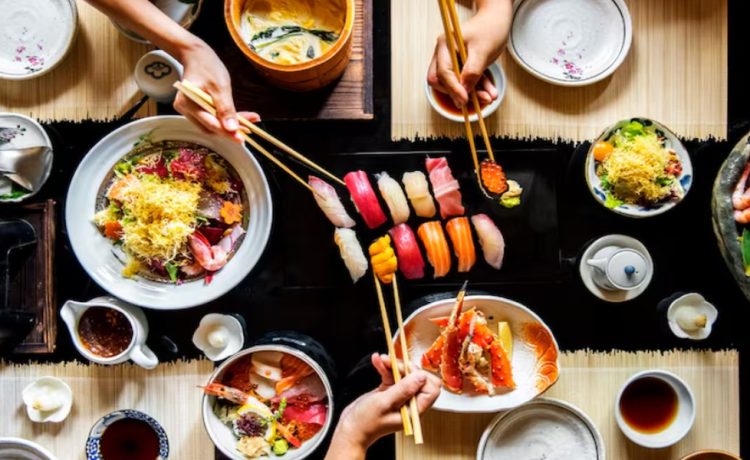
Certain ingredients are introduced to the kitchen, and every kind of kitchen shifts. There’s a hint of citrus aroma or the warm aroma of nutty in the kitchen when the heat of a pot is reached and draws the cook inside the kitchen as if it were magnets. For FORTU this pull is usually something that is derived from Japan. This is not a policy that we’ve put in writing. More of it is a habit that helps keep your menu in order. This week, it might be the yuzu Kosho. This month might be another type of chile or the scent of a leafy plant that is a little minty and is trying to be basil. I’ll attempt to maintain the dialogue informal and fluid. Certain notes might seem incomplete. Food writing is usually good to me at the very least.
Here’s a quick description of the ingredients we’re looking for, as well as the reasons they work and the best way to apply the same advice. I’ve divided frequent questions to subheadings, so that you can jump to the area you’re looking for first.
What’s the main reason why we’re following the season of Japanese products? the beginning of the season?
Seasonal changes can give flavor an impression of the passing of time. In the peak of citrus the acidity is more round and the aroma is more of a smell. When it comes to certain plants that have been soft cut these are cleaner and light when drizzled over hot food things. Japanese essentials in the pantry tend to have clarity. They arrange salt rather than loud. This could be the reason why we pick salts. They allow the main ingredient speak and push ingredients in a certain direction.
- Lighter sauces that do not hide the sear that’s on the meat.
- Smarter heat that awakens your tongue but doesn’t make it numb.
- Citrus notes can raise the amount of fat in your body, and you be more likely to have a second meal.
Have you got a general rule of thumb? It’s not really. We test. We believe in our senses. We stop eating once the food is balanced and vibrant.
Yuzu kosho keeps popping up. Is it really what you think and what can cause it to be so devastating?
Imagine yuzu kosho being an engine for flavor, but it is small. It’s a paste composed of yuzu fresh and yuzu zest chilies as well as salt. The aroma is initially citrus and then it becomes a very fine heat. You can use tiny amounts and then let the dish run for without adding any additional steps.
What exactly do we mean by it in FORTU
- Whisked up in an easy vinaigrette. Serve with crudo, chilled vegetables or a glass of wine.
- It is then dunked in softened butter, before it is drizzled over the grill fish just at the exact moment
- Mix it with mirin in a splash and then sprayed onto the flames of chicken yakitori.
- Dotted on oysters, so that salt and citrus shake hands.
Home-cook tips: Buy a small jar, keep it in a cool place, then use it to make wasabi. A little. Taste. Perhaps a little more. It’s not difficult to jump over.
Shiso tastes like mint met basil. What exactly does in this dish?
Shiso is a difficult food to define without considering it in comparison with other food items. Some recommend mint and basil. Some suggest anise, or even green apple. The reason we enjoy it is its texture. Thinly cut shiso enhances the flavor of food without overpowering it.
Shino shines in places in which it shines.
- Cut into ribbons, then sliced on tempura so that that the crunch is revived. note
- In the sashimi, hidden under which the leaves scent each bite
- Combine it in the warm rice bowl and then that is infused with sesame oil to create an herbaceous, fresh pop
- Chop into dressings that can be used for grilling tuna, meat or other fish which is fatty.
A word of caution The shiso can overwhelm. Start with two or three leaves per serving and then increase or decrease. This is a perfume recipe, not salad.
Sesame seems simple. What’s the reason it’s never boring?
Sesame contains three distinct components which form a single concept. Seeds, oil and paste all have their own stories to tell.
- Toasted seeds add warm and textured. Sprinkle seeds on rice, salads as well as cold noodles.
- Sesame oil is an excellent finishing touch. One teaspoon will bring warmth to a dish as if it is positioned underneath an arrangement.
- Tahini or sesame paste makes dressings silky, and it also gives the sauces with a bit of bulk, but not dairy.
Our daily routine is to FORTU
- In an oven with a dry heat until they smell delicious. And then, quickly cool them on an uncooked tray
- Grill the vegetables, and then complete the dish with a little bit of sesame oil and lemon.
- Make a paste from Tahini by mixing miso, vinegar, rice vinegar and honey to make a dressing that sticks just enough
In the event that you’ve used sesame oil but found it to be too heavy, reduce it to half the next time. It should be added towards the close. It reacts differently in the presence of heat.
What is exactly tare and why do cooks talk about it as if making a handshake?
Tare is a base sauce. It is typically made from mirin, soy, and sugar. Sometimes it’s ginger, garlic and sake. After that, you simmer it before skimming it until it is clear. You can use it to cook food, cover skewers with glaze, or to enhance the flavor of broth. Tare isn’t really an ingredient, but more of a substance that’s alive and able to be fed by various methods. The flavor we use is different because we incorporate pan drippings and fresh scents, as well as the tiny amount of soy used to keep shining.
Tare in action
- The glaze of yakitori becomes more powerful with each passing evening
- Quick lacquer that gives salmon shine, but does not provide syrup
- Drop a few drops into the broth of ramen to strengthen the backbone
- The veggies get an smoky, warm finish to allow them to reflect light and can also be used to include salt.
You can make a small amount at home in less than 20 minutes. You can place it in a container and store it in a safe place. Then it will be sprayed across your surroundings and all it touches, which is fantastic.
Togarashi with steak sounds delicious. What exactly is it?
This term is often feared by people. It’s not an igniting fire. Togarashi blends typically consist of chili orange peels and sesame nori, and some ginger. It’s hot, sure but it’s also considerate. The citrus peel lifts fat, while the sesame provides the crunch. It’s a sharp edge that is bright and not just spicy.
How do we make a togarashi crust?
- Dry the steak and sprinkle salt as necessary.
- Lightly coat the oil with dust using togarashi prior to sear
- In a skillet that is hot cook the fish until you make the spices a bit more fragrant, wait until it is at your disposal
- Let it rest in the refrigerator cut it into slices and serve with an ounce of yuzu or lemon
It can enhance the more fatty cuts. For cuts that have a slim cut, spice can add flavor but doesn’t obscure the meat.
Do you know of any additional Japanese pantry players can we rely on at the moment?
They generally alter their frequency in response to the market conditions. Short roll-calls
- Ponzu: Soy meets Lemon. The brightening effect of grilling oysters along with mushrooms and cold noodles.
- Sansho pepper is tingly and fragrant. A small amount sprinkled on the fish’s fat is interpreted as the switch to refresh.
- Umeboshi: tart, plum-like picked. In sauces, to provide acidity but not too sharp.
- Kombu: dried kelp for dashi. Adds clean umami. It is stored in a glass in the walk-in area to make infusions that are cold.
- Katsuobushi Smoky, shaved bonito. The perfect addition to vegetables or rice.
- Sudachi is a small citrus that gives a distinct flavor to dressings when yuzu isn’t quite enough perfumy.
We don’t put all of them in one bowl. This creates the equivalent of the sound of. The problem is to choose which note brings the most crucial element to the center of attention.
What ingredients create the most delicious flavor for food?
The simplest answer is contrast. Bright and rich. Cool and hot. The smooth crunch. Certain patterns that we rely to time and again:
- Add citrus if fat is over the lead
- Add herbs to the texture when it requires an extra layer.
- Be sure to include sesame heat when something is off.
- Add heating if the bite does not heal quickly enough.
- Include umami if your mouth is hollow. of your mouth feels hollow
You can feel these patterns while taking one bite. If the bite has a strong taste and then goes away, it’s a sign that you’ll need some salt, or perhaps heat. If the bite is heavy from beginning to end and does not lift then you’ll need acid or even herbs.
Which seasonal shifts could have the most difference on your home?
You can try a tiny tweak each week. See what you can do.
- Store the yuzu Kosho in a jar, and keep an chilled bottle of ponzu that is ice-cold in the fridge
- Sesame seeds are toasty in a big batch, and then keep them airtight
- It’s possible to put in a handful of shiso plants when you come across an old plant. It’s quite tolerant.
- Make the tare in a cup, then sprinkle it over the veggies you grill already.
- Buy a new citrus when it’s on sale in the market and test it against the one you typically make use of.
There’s no need for endless pantry changes. The majority of the fun could be summarized into one teaspoon when the time is right.
What can we do to reconcile traditional and modern menus?
This is where things get slightly complicated. We try to be considerate of the ingredients we use and the methods that it was created with. We ask ourselves what our kitchen requirements are to make the best of our day. Perhaps the seafood has that buttery flavour and needs acid. The vegetable could have been that sweet in taste. Tradition gives us an initial idea. Service is the way to go.
Sometimes we employ tare in ways the traditional recipe would not. Sometimes, we make use of the recipe in its entirety. The most efficient choice is one that appears after two bites of test followed by a quiet acknowledgement by the person who ate the spoon in the following.
Are these flavors compatible with those who want mild spice, or are they not raw fish?
Absolutely. Each of these ingredients does don’t require fresh seafood to be a good idea. It is possible to add this same level of clarity and equilibrium to grilling chicken, roasting squash, or even the bowl of noodles stuffed with mushrooms. If you’re worried about the heat, you can try mixtures like togarashi with delicate hands or shift toward citrus and sesame instead. The goal is harmony and not a show of force.
Quick ingredient cheat sheets
Yuzu kosho
- Take advantage of fatty fish, barbecued oysters, chicken
- Start with a pea-sized portion
- Keeps best cold, airtight
Shiso
- Cut thin ribbons to add a decorative touch
- Make use of 2 to 3 leaves per serving.
- You can choose between green and red varieties.
Sesame
- Roast seeds in a pan until they are fragrant.. Then let them cool down quickly
- Sesame oil is a good addition after the recipe, not as part of the process of making an emulsion that is very hard.
- Mix tahini with miso and vinegar to make a simple sauce.
Tare
- Incubate mirin and soy and sugar until they’re glossy.
- It is then removed at the last minute of grilling.
- Refresh your home by adding a splash of new soy whenever you require it
Togarashi
- Lightly dust with flour prior to cooking the steaks or tuna.
- Finish with a splash of citrus for a more lively
- Cover the container with a seal to make sure that the peel stays fragrant.
What are the dishes that we’re serving these meals with right currently at FORTU?
Menus can change, but these concepts are always available during the tastings:
- The broccoli is charred and the dressing contains sesame shavings Katsuobushi
- Cold noodles with the ponzu Shiso and the crunch of garlic
- Grilled salmon served with tare and a touch of yuzu-kosho
- Seared steak, served with a togarashi crust and a salad of citrus herbs
- Crispy tofu, served with tahini miso sauce, sesame seeds and tahini-miso, which are warm
Sometimes, we swap the citrus. Sometimes we change the herb. The style remains. The details are shifted in line to the production, or the general mood of the space.
The most important element
- Seasonal Japanese ingredients offer clarity, not just protection.
- Yuzu Kosho is a powerful ingredient in tiny doses. You should take it seriously.
- Shiso is a scent that has texture and texture that is not bulk.
- Sesame is a voice that operates in three different voices: seeds, oil, and paste.
- Tare is a living sauce. It will reward you its back.
- Togarashi gives steak sharp edges and a clear and bright appearance without overwhelming heat.
- Create contrast to explain the purpose. Acid for fat, herb for weight, heat for length.
- Start with a small portion at your home. A fresh spoonful of food could be the difference between a successful or unsuccessful dinner.
FAQs
What are the difference between yuzu and lemon when you cook?
Yuzu is a pleasant scent that is soft and more intense than lemon. You can substitute one drop of yuzu if you don’t have Yuzu. But, it will produce an enlightened and clearer.
Do I have to substitute for shiso where I normally would prefer basil?
Sometimes. Shiso has a more intense flavor and minty. It shines when you eat light food items and is odd in a setting where you’d expect the smoky hotness of basil.
Sesame oil may be used just as a finishing agent?
Mostly. A small amount in the final stages will maintain the scent. If you bake it for a long period of time, the aroma can become dull. There are exceptions, and they can be discovered by tasting.
How how long will the tare last?
A few weeks in the fridge when you are careful to manage it and warm the items you are planning to use. Many kitchens extend it by feeding it into the cooker and making it simmer. Making smaller batches at home is easier.
Are the togarashi fragrances too hot for people who are prone to sensitivities?
Most blends tend to be light. Begin by lightly dusting, and finish with a lemon. Your heat must be vibrant and not abrasive.
What should I try first at home?
Tare and the Yuzu Kosho. Both transform basic food items in the span of a couple of minutes. Sesame is the easiest to make use of in everyday life when you’re looking for an easier way to prepare.
A brief reflection on closing
Some of the most fun plates of the season don’t have more music. They’re much more clear. Sharp edges to steak. The citrus scent allows you to relish the sear with and not just spice. The plant floats over the hot food and makes it smell fresh as if it was a new day. This is the kind of food we serve at FORTU and also the type of food you can cook at home with the aid of some modern kitchen appliances. Start tiny. Taste often. Each ingredient should perform its job well. The rest will likely to be a follow-up.
This post was written by a professional at Fortu. Fortu stands out among the top Restaurants St Petersburg FL, offering an elevated Pan-Asian dining experience in the heart of St. Petersburg, Florida. Celebrating Asia’s vibrant and diverse culture, Fortu introduces bright and bold flavors to a bright and bold city with a menu of locally and sustainably sourced options, from small bites to hearty delicacies. Whether winding down from a beach day or celebrating a special occasion, guests can enjoy a lush, alluring atmosphere and an authentic taste of Asia’s divine cuisine at one of the finest Downtown St Petersburg FL Restaurants.