
A great meal can lose all its magic because of a poor food and wine pairing. A wine that overpowers the dish, an incorrect serving temperature, or a dessert that clashes with the wine can disrupt the entire tasting experience and disappoint your guests. The good news? These mistakes are easy to avoid with a few simple adjustments. To create a successful reception, you do not need to be a wine expert. You only need to understand the most common pitfalls and apply a few basic principles. Discover the five mistakes that can ruin your food and wine combinations and the practical solutions to enhance every moment around the table.
Mistake #1: Choosing Wine Only Based on the Type of Meat
“Red meat equals red wine. Fish equals white wine.” This traditional rule has long been used as a basic guideline, but it is far too simplistic for creating a truly successful food and wine pairing. In professional wine tasting, the goal is not to match the wine color with a type of ingredient, but rather to find harmony between the wine’s structure and the dish’s overall flavor profile.
The main protein is not always the deciding factor. The sauce, cooking method, spices, aromatic herbs, and richness of the side dishes often have a much greater influence on how flavors interact.
For example, grilled fish served with citrus and fresh herbs will usually work better with a vibrant white wine that brings freshness and acidity. However, fish prepared with a buttery sauce, creamy reduction, or mushrooms can easily handle a fuller and more complex wine.
Likewise, white meat does not automatically require red wine. A creamy veal dish or roasted poultry with a rich sauce can reveal its full elegance when paired with a structured white wine offering body, depth, and a long finish. When planning a refined celebration and choosing a bottle such as Cristal Champagne for special occasions, the focus should remain on creating harmony between the menu and the wine, considering elements such as acidity, texture, and aromatic intensity.
To create a balanced pairing, focus on these essential elements:
-
The intensity of the dish: A powerful dish requires a wine with comparable structure.
-
The texture: Rich and creamy sauces often benefit from wines with refreshing acidity.
-
The dominant aromas: Spices, smoky notes, citrus, or herbs can influence the ideal wine choice.
-
The cooking technique: Grilling, roasting, braising, or poaching each changes the dish’s flavor profile.
The right question is therefore not: “Which wine color goes with this meat?” but rather: “What is the dominant sensation in my dish?” This approach leads to more precise and memorable pairings.
Mistake #2: Avoiding Unexpected Food and Wine Pairings
One of the most common mistakes among wine lovers is sticking only to “safe” combinations and missing opportunities for more creative pairings. However, a great foodand wine pairing is not based solely on traditional rules. It relies on a detailed understanding of the sensory profile of both the dish and the wine.
Professional sommeliers analyze several elements, including acidity, sweetness, bitterness, saltiness, texture, and aromatic intensity to create balance.
For instance, a highly aromatic white wine can create an interesting contrast with spicy cuisine thanks to its freshness and floral notes. Similarly, lighter red wines with moderate tannins can complement plant-based dishes rich in umami flavors without overpowering their delicate character.
Modern pairing techniques also consider finish and aromatic persistence, meaning how long flavors remain noticeable on the palate after each bite and sip.
Today, many wine professionals are moving away from rigid rules and focusing instead on sensory harmony. The key is to understand the structure of the dish, identify its dominant flavors, and select a wine capable of enhancing them.
Experimentation has become an essential part of wine discovery because some of the most memorable pairings are often the ones nobody expected.
Mistake #3: Forgetting That the Wine and the Dish Should Have Similar Levels of Intensity
During a reception, one of the most common pairing mistakes is creating an imbalance between the intensity of the dish and the character of the wine. A powerful wine served with a delicate starter can quickly overpower the flavors, while a lighter wine paired with a rich dish may completely disappear behind strong spices, sauces, or generous textures.
Imagine a festive dinner featuring a warm goat cheese salad paired with a bold, highly tannic red wine. The tannins can become too dominant, making the cheese taste sharper and creating a harsher sensation on the palate. On the other hand, serving a light white wine with a slow-cooked beef stew prepared over several hours will not allow the wine to express its full potential. Its aromas will simply be overwhelmed by the richness of the dish.
To create a successful food and wine pairing for a reception, the goal is to achieve a true balance of intensity:
-
Delicate dishes (fine fish, fresh starters, refined vegetable preparations) generally work best with elegant, precise wines that do not overpower the food.
-
Rich and generous recipes (slow-cooked meats, sauce-based dishes, spicy preparations) require wines with greater structure and deeper aromatic complexity.
-
Fat-rich dishes often benefit from wines with good acidity to bring freshness and prevent heaviness.
-
Complex dishes need wines that can support multiple layers of flavor while maintaining balance.
Sommeliers often describe this principle as harmony. In simple terms, the wine and the dish should tell the same story rather than compete for attention.
Mistake #4: Underestimating Desserts and Cheese Pairings
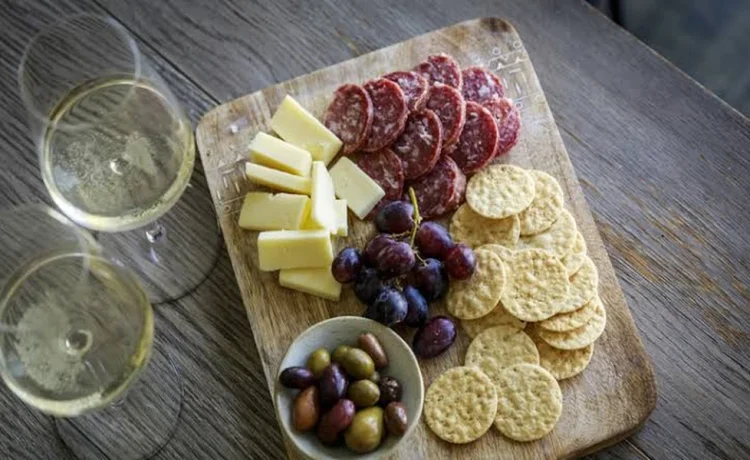
The end of a meal is often when guests expect the most impressive bottles to appear. However, it is also where some of the biggest pairing mistakes happen. Cheese and desserts require special attention because their textures and flavor profiles can strongly influence how a wine is perceived.
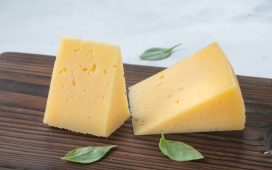
With highly aged cheeses, a full-bodied red wine rich in tannins may become overly dry and develop unpleasant bitterness. The interaction between tannins and the proteins or fat in certain cheeses can create a more aggressive sensation on the palate. In many cases, a white wine offers a much more balanced and elegant combination.
Desserts can be even more challenging. Serving a dry wine with an intensely sweet pastry often creates an imbalance because the dessert makes the wine appear sharper and less expressive. The sweetness of the food can overpower the wine’s fruit and aromatic complexity.
Another common mistake is assuming that sparkling wines naturally match every dessert. In reality, very sweet desserts, such as rich chocolate-based creations, can overwhelm the freshness and delicate bubbles of an effervescent wine. The result may be a loss of elegance and even an unpleasant metallic sensation.
For sweeter desserts, it is often better to choose a wine with enough sweetness and aromatic intensity to maintain balance. Sparkling wines usually shine best with appetizers, lighter desserts, or dishes where freshness and acidity remain dominant.
Mistake #5: Thinking Wine Temperature Does Not Matter
This is one of the biggest food and wine pairing mistakes and probably one of the most underestimated.
A red wine that has been sitting for hours in a 28°C room can become heavy, overly alcoholic, and unbalanced. On the opposite side, a white wine served almost frozen may lose most of its aromatic complexity. The result? You are tasting the temperature rather than the wine itself.
A difference of only a few degrees can completely transform the tasting experience. Wine professionals generally recommend serving light red wines around 14 to 16°C, while most dry white wines reveal their best aromas between 10 and 12°C. Sparkling wines usually reach their ideal balance between 8 and 10°C, allowing their freshness, bubbles, and aromatic profile to develop properly.
Before guests arrive, take a few minutes to prepare your bottles at the right temperature. This simple step can immediately improve the quality of your food and wine pairing and allow each wine to express its true character.
FAQ
1. How do you choose wine for a reception with several dishes on the menu?
For a reception with multiple courses, it is usually best to create a progression. Start with fresher and lighter wines for appetizers and starters, then move toward fuller and more structured wines for main courses. This allows the palate to gradually adapt to stronger flavors.
2. How many bottles of wine should you plan for a reception?
The quantity depends on the number of guests, the length of the event, and the type of meal served. On average, a 75 cl bottle provides around 5 to 6 glasses of wine. For longer celebrations, it is recommended to prepare a small additional supply to avoid running out during the meal.
3. Is it better to serve several different wines during a meal?
Yes. Offering different wines throughout the meal can enhance each course and create a more balanced experience. An aperitif wine, a wine for the starter, and another selection for the main dish can help highlight the different flavors of the menu.
4. How do you organize a food and wine pairing for a wedding or large reception?
For major events, several factors should be considered: the number of guests, the style of cuisine, the season, and the general preferences of the group. Extremely complex pairings can be difficult to manage for large audiences. Versatile, elegant wines that appeal to different palates are often the safest choice.