

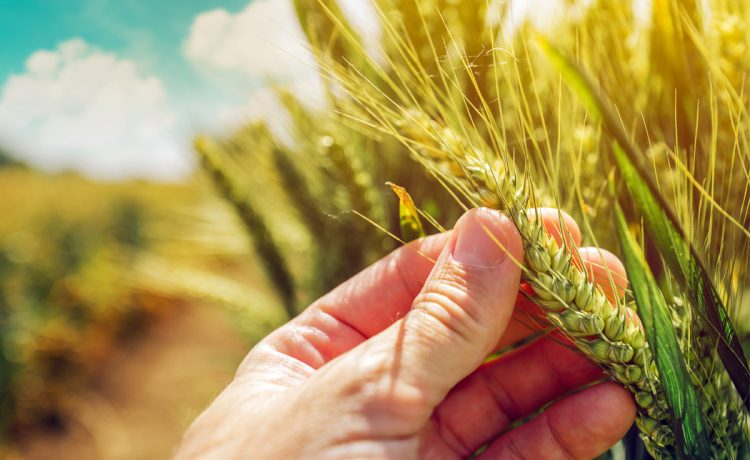
Wheat feeds 20% of humankind, providing a significant share of global kilocalories, but the crop faces a range of risks from global warming and widespread disease. A present genomic study, inspecting eight hundred and twenty-seven types of wheat composed over centuries, found a “goldmine” of hereditary variety that could assist in safeguarding the crop perfectly into the future.
The discovery of previously overlooked wheat varieties highlights why preserving genetic resources remains essential for resilient food production. Rediscovered Wheat Genetic Diversity Future could give researchers and breeders access to valuable traits that have become less common in modern wheat, including improved resistance to diseases, environmental stress, and changing growing conditions. By studying and incorporating this diversity responsibly, agriculture can develop wheat varieties that remain productive while using resources more efficiently, helping strengthen food security as climate and farming challenges continue to evolve.
Certain breeding methods could reduce disease resistance in wheat crops while also producing crops that require less N2 fertilizer, a major source of greenhouse gases. In the twenty-first century, as human beings’ population continues to climb and harvests face unparalleled pressure, Watkins, a British plant scientist determined to gather these bread wheat samples, could very well provide humankind far into the future.
Genetic assets are foundational to ensuring universal wheat production at present and in the future. They represent a huge range of genetic variety that is crucial to improving and maintaining the harvest potential of wheat, for they offer new sources of resistance and control to biotic and abiotic pressure. Present heavy-harvesting wheat cultivars are a gathering of genes, or gene amalgamation, pyramided by farmers using, in many situations, well-fitted cultivars from their place. Worldwide agricultural analysis has immensely enlarged the accessibility of largely adapted genetic material that is genetically diverse. Nevertheless, introgression of extra dissimilarity found in genetic resources is essential to improve harvest stability and further enhance wheat.
Genetic Assets.
Genetic assets have been classified by Frankel in 1977. The FAO (Food and Agriculture Organization) in 1983 and the UN (Commission on Plant Genetic Resources) in 1995, though this codification is not followed by all centers included in genetic assets conversion and usage. These classifications are:
- Present cultivars in modern use;
- Outdated cultivars, often exclusive cultivars of the past and often in the lineage of present cultivars;
- Traditional cultivars;
- Untamed relatives of crop type in the Triticeae wheatgrass tribe;
- Genetic and cytogenetic resources;
- Multiplying lines;
These genetic assets are the genetic pool accessible to breeders and other investigators, and in the Triticeae wheatgrass tribe, multiple pools are identified. The main genetic pool consists of the biological type, plus cultivated, feral, and wild-type forms of a crop type. Genetic change in the main genetic pool is examined to be easy. The subordinate genetic pool consists of the syngameon, from which genetic change is possible but hard, while the advanced genetic pool is composed of types from which genetic change is very hard.
Records.
The answer to many wheat genetic assets work in the future is the enhancement of information, or an interrelated system of information, with the dimensions to handle and implement all wheat databases, including papers, depiction, and analysing information. The aim was to ease the unequivocal identification of wheat genetic assets and eradicate fence to handling and accessing data. As an outcome, IWIS (International Wheat Information System), a structure for smoothly connecting, using, and exchanging genetic information, came into being.