
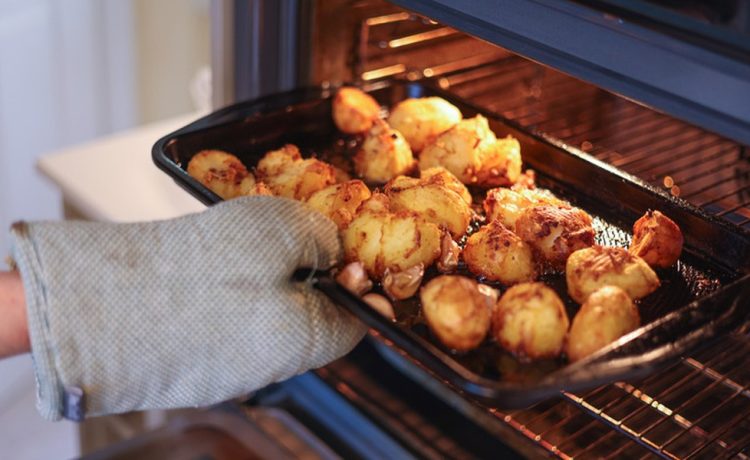
Baked potatoes are one of the simplest and most satisfying comfort foods. A properly baked potato delivers crispy skin on the outside and a fluffy, soft texture on the inside. Despite being easy to prepare, many people still make mistakes that affect flavor, texture, and overall quality. Learning the common errors involved in how to bake a potato in the oven can help create better meals with minimal effort.
Choosing The Wrong Type Of Potato
One of the biggest mistakes begins before cooking even starts. Not all potatoes are ideal for baking. Waxy potatoes, such as red potatoes or fingerlings, contain more moisture and less starch, which can result in a dense texture.
Russet potatoes are frequently regarded as the optimal choice for baking due to their high starch content, which results in the light and airy interior that is so popular. Their thicker skin also becomes crispier during roasting, adding more texture and flavor.
Skipping The Cleaning Process
Potatoes grow underground, which means dirt and debris often remain on the skin. Some people place potatoes directly into the oven without washing them properly. Since the skin is edible and becomes delicious when baked correctly, cleaning the potato is important.
Scrubbing the surface under running water removes dirt and improves the final texture. Drying the potato afterward also helps the skin crisp up during cooking.
Forgetting To Poke Holes
Another common issue in baking a potato in the oven is forgetting to pierce the potato before baking. Potatoes contain moisture that turns into steam as they cook. Without small holes to release pressure, potatoes can occasionally burst in the oven.
By employing a utensil to create numerous openings in the potato’s surface, steam can be securely expelled while the potato’s structure is preserved.
Using The Wrong Oven Temperature
The ideal baked potato is significantly influenced by temperature. Some people cook potatoes at very low temperatures to avoid burning them, but this often creates uneven texture and longer cooking times.
The optimal oven temperature is typically between 400°F and 425°F. This range allows the inside to become fluffy while helping the outside develop a crisp texture.
Cooking at temperatures that are too high may burn the skin before the center fully cooks. Balance is important for consistent results.
Wrapping Potatoes In Foil
Many home cooks automatically wrap potatoes in aluminum foil before baking. While this method may keep the potato moist, it actually traps steam and softens the skin.
People who enjoy crispy baked potato skin should avoid foil entirely. Baking potatoes uncovered directly on the oven rack or on a baking tray allows hot air to circulate evenly around the potato. Foil may still be useful for certain recipes, but it is not ideal when crispiness is the goal.
Not Using Oil Or Seasoning
A plain potato can taste good, but simple seasoning makes a major difference. One mistake people often make is skipping oil and salt on the exterior.
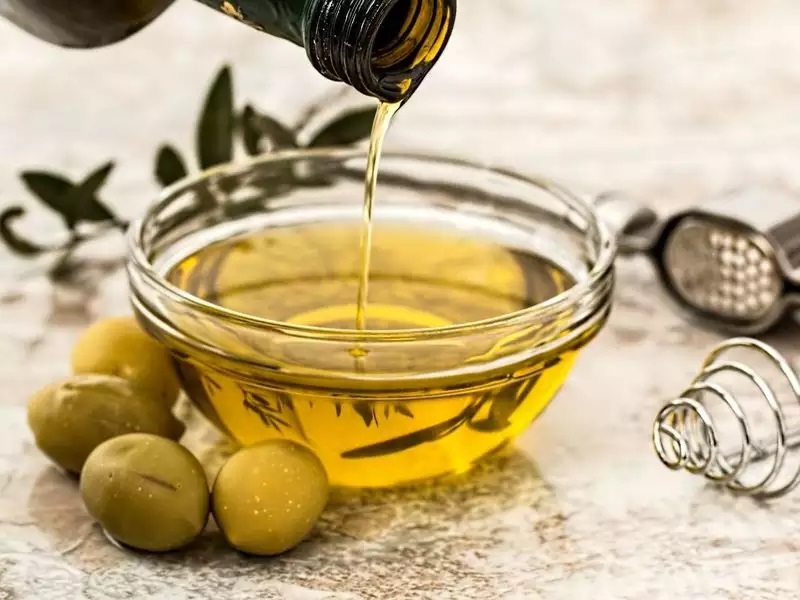
Lightly coating the skin with olive oil and sprinkling salt before baking enhances flavor and helps create a crisp golden finish. The skin becomes more enjoyable to eat rather than tough or dry. Seasoning does not need to be complicated. Even basic salt can significantly improve the final result.
Removing Potatoes Too Early
Impatience often ruins baked potatoes. Some people remove potatoes from the oven because the outside appears done, even though the center remains firm.
The best baked potatoes should feel soft when gently squeezed with oven mitts. A fork or knife should be able to effortlessly glide into the center without encountering any resistance.
Depending on size, potatoes may require 45 to 70 minutes in the oven. Larger potatoes naturally need more time to cook completely.
Overcrowding The Oven
Another overlooked mistake involves placing too many potatoes close together on one tray. Proper airflow is necessary for even cooking and crispy skin.
When potatoes are crowded, steam becomes trapped between them, leading to softer exteriors. Leaving enough space between each potato allows heat to circulate effectively. This small adjustment can noticeably improve texture.
Ignoring Resting Time
Many people cut open baked potatoes immediately after removing them from the oven. Allowing potatoes to rest for a few minutes helps distribute internal moisture evenly.
Cutting too quickly releases steam rapidly and may cause the inside texture to become gummy instead of fluffy. A short resting period improves consistency and makes toppings easier to add.
Overloading With Toppings
Toppings can enhance baked potatoes, but too many ingredients sometimes overpower the potato itself. Heavy sauces and excessive cheese can make the dish overly rich.
Balanced toppings such as butter, sour cream, herbs, green onions, or lightly seasoned vegetables allow the potato’s natural flavor to remain noticeable. The best baked potatoes combine texture, seasoning, and moderation.
Conclusion
Understanding the common mistakes involved in baking a potato in the oven can dramatically improve results. Small details such as choosing the right potato, using proper temperature, avoiding foil, and allowing enough cooking time all contribute to a better texture and flavor. Baked potatoes may seem simple, but attention to technique makes a major difference. Potatoes that are crusty on the outside, tender on the inside, and satisfying enough to serve as either a side dish or a full entrée can be made by anyone with the proper preparation and fortitude.